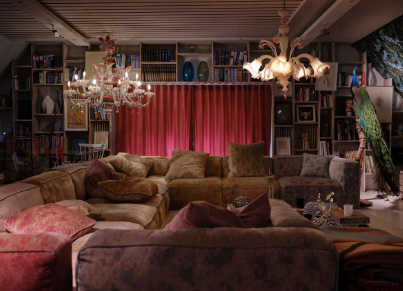
How Lighting Design Transforms Your Home’s Atmosphere

We often spend hours agonizing over paint colors, testing sofa fabrics, and arranging furniture to get the flow just right. But there is an invisible element that can make or break all that hard work: lighting. Have you ever walked into a room that felt cold and sterile, despite plush furniture? Or conversely, a space that felt instantly cozy, even though it was sparsely decorated? The secret usually lies in the lighting.
Lighting isn’t just about being able to see where you’re walking. It’s the mood setter, the atmosphere creator, and the silent partner in your home’s comfort. True residential lighting design goes beyond picking a pretty lamp; it’s about understanding how light shapes our experience of a space.
How Does Light Affect Our Mood?
Our bodies are biologically wired to respond to light. For thousands of years, our internal clocks were set by the sun. Bright, blue-tinted morning light woke us up and made us alert, while the soft, warm glow of a fire signaled it was time to rest.
In modern homes, we sometimes get this wrong. We blast our living rooms with high-intensity overhead lights at 9 PM, confusing our brains and making it hard to unwind. Thoughtful lighting respects these natural rhythms. Soft, warm light can lower stress levels and create a sense of intimacy, while bright, cool light can boost focus and energy in a home office. By manipulating light, you are directly influencing how you and your guests feel within your walls.
The 3 Layers of Residential Lighting Design
To create a truly welcoming home, you need to think in layers. Relying on a single overhead fixture is the quickest way to make a room feel flat and uninspired. Professional designers typically break lighting down into three categories:
1. Ambient Lighting
This is your base layer. It provides the general illumination for the room, allowing you to move around safely. This usually comes from recessed lighting, chandeliers, or flush-mount fixtures. Think of this as the canvas upon which you build the rest of your design.
2. Task Lighting
As the name suggests, this layer helps you get things done. It’s the pendant light over the kitchen island where you chop vegetables, the reading lamp beside your favorite armchair, or the vanity lights in the bathroom. Good task lighting prevents eye strain and adds functionality to specific zones.
3. Accent Lighting
This is the drama and the personality. Accent lighting highlights features you want to show off, like a piece of art, architectural details, or a bookshelf. It adds depth and dimension, preventing the “cave effect” where corners of the room disappear into darkness.
Choosing the Right Temperature
Have you ever bought a lightbulb, screwed it in, and felt like you were standing in a hospital waiting room? You likely bought a bulb with a cool color temperature.
Color temperature is measured in Kelvins (K). For a cozy, residential feel, you generally want to stay in the “warm” range (2700K to 3000K). This mimics the glow of incandescent bulbs or candlelight.
● 2700K (Warm White): Ideal for living rooms and bedrooms where you want to relax.
● 3000K (Soft White): Great for kitchens and bathrooms where you need clarity but still want warmth.
● 4000K+ (Cool White/Daylight): Best reserved for garages or utility rooms, as it can feel too harsh for living spaces.
Simple Ways to Upgrade Your Lighting
You don’t need a total renovation to improve your home’s lighting. Here are a few practical swaps:
● Install Dimmers: This is the single most effective change you can make. Dimmers allow you to change the mood of a room instantly—from bright and functional for cleaning to low and moody for a dinner party.
● Mix Your Fixtures: Don’t rely solely on downlights. Add floor lamps to dark corners and table lamps to side tables. This brings the light down to human level, which feels much more natural and comforting than light beaming down from the ceiling.
● Switch to LED: Modern LEDs come in excellent warm tones and use a fraction of the energy of older bulbs.
Creating a Sanctuary
At the end of the day, your home is your sanctuary. By paying attention to residential lighting design, you aren’t just illuminating a room; you are curating an experience. Whether it’s the soft glow of a bedside lamp reading a book or the warm ambiance of a dining room during a family meal, the right light makes every moment feel a little more special.